In July 2010 the UN General Assembly had approved a resolution recognising “the right to safe and clean drinking water and sanitation as a human right that is essential for the full enjoyment of life and all human rights”. Three months later the Human Rights Council affirmed the same position.
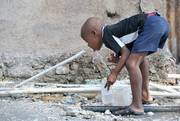 Since the 2006 World Council of Churches (WCC) 9th Assembly in Porto Alegre, Brazil, efforts to promote the human right to water and sanitation have been made through the Ecumenical Water Network, a WCC-based international network of churches and Christian organisations, promoting preservation, responsible management and the equitable distribution of water. “As churches, we are called to serve and be examples in the way we use and share water,” the WCC statement declares.
It challenged those governments by underlining “that access to water and sanitation are legally binding human rights” and urged political leaders to “apply the right to water as a guide, safeguard, and yardstick” for their legislative actions.
The Ecumenical Water Network will continue its advocacy for implementation of the right to water and sanitation with the Seven Weeks for Water Lent campaign 2011. “This campaign seeks to raise awareness among the churches on water, conflict and just peace,” Maike Gorsboth, coordinator of the Ecumenical Water Network, said.
See http://www.oikoumene.org/en/activities/ewn-home/resources-and-links/seven-weeks-for-water.html?no_cache=1.